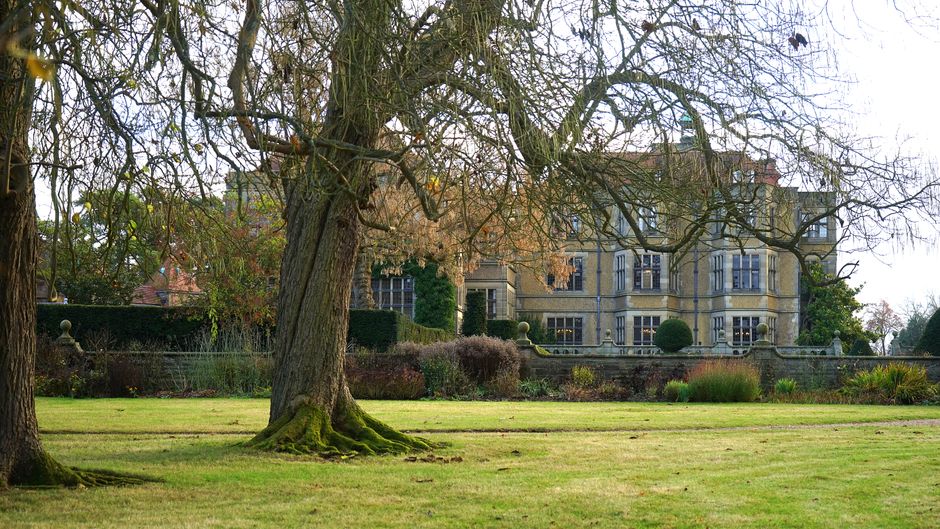
Garden maintenance for Hillingdon Court estate Ickenham
If you live, manage, or look after shared outdoor space around Hillingdon Court estate in Ickenham, you already know the difference a tidy garden makes. It is not just about "looking nice". It affects safety, first impressions, resident satisfaction, and how well the planting actually survives through the seasons. Garden maintenance for Hillingdon Court estate Ickenham is really about keeping the space healthy, presentable, and manageable all year round, without letting small jobs turn into bigger, costlier ones.
In practice, that can mean regular mowing, hedge trimming, pruning, leaf clearance, weed control, border care, and occasional heavier work when a space has been neglected or hit by bad weather. And let's face it, British gardens do not always behave politely. One wet week, a bit of shade, and suddenly the grass looks tired while the hedges seem to have doubled in size overnight.
This guide explains how estate garden upkeep usually works, what to prioritise, what to avoid, and how to choose a sensible approach for a property like Hillingdon Court. If you want a broader overview of service options, you can also look at the services overview and the core garden maintenance service page for a clearer picture of what is typically included.
Table of Contents
- Why Garden maintenance for Hillingdon Court estate Ickenham Matters
- How Garden maintenance for Hillingdon Court estate Ickenham Works
- Key Benefits and Practical Advantages
- Who This Is For and When It Makes Sense
- Step-by-Step Guidance
- Expert Tips for Better Results
- Common Mistakes to Avoid
- Tools, Resources and Recommendations
- Law, Compliance, Standards, or Best Practice
- Options, Methods, or Comparison Table
- Case Study or Real-World Example
- Practical Checklist
- Conclusion
- Frequently Asked Questions
Why Garden maintenance for Hillingdon Court estate Ickenham Matters
Shared grounds are different from a private back garden. There is more footfall, more visibility, and usually more expectation. Residents notice if a border goes scruffy or if a path edge is being swallowed by grass. Visitors notice too. So do potential buyers, tenants, and anyone who helps shape the reputation of an estate.
At Hillingdon Court estate, garden maintenance matters for three practical reasons: appearance, safety, and plant health. Those are the big three. Miss one of them for long enough and the whole place starts to feel a bit uncared for, even if the buildings themselves are in good shape.
There is also the simple reality of seasonal pressure. Spring growth can race ahead, summer dry spells can stress lawns, autumn leaves can smother beds and paths, and winter can expose structural weaknesses that were hidden in the growing season. A steady maintenance routine keeps the place moving with the weather instead of constantly reacting to it.
Expert summary: On an estate setting, the best garden care is usually the quiet kind - regular, planned, and boring in the best possible way. Small jobs done on time prevent the bigger headaches.
For estates and communal grounds, the maintenance plan often needs to be coordinated with other services too. If there are overgrown trees, for example, tree work may be needed alongside routine upkeep; in that case, a specialist tree lopping and removal service can be relevant. If the site has broader access issues, damaged planting, or awkward ground levels, then a more detailed landscape gardening conversation may be sensible.
How Garden maintenance for Hillingdon Court estate Ickenham Works
Garden maintenance for a residential estate usually works as a repeating schedule rather than a one-off clean-up. That schedule may be weekly, fortnightly, monthly, or seasonal depending on the size of the grounds, the planting style, and how formal the estate needs to look.
A good maintenance service normally starts with a walk-through. That sounds basic, but it matters. You need to see what is actually there: lawn condition, hedge lines, weed pressure, drainage, access points, dead plant material, damaged edging, and any features such as decking, communal seating, or shaded areas that need more attention than average.
After that, maintenance is usually split into repeat tasks and occasional tasks.
- Repeat tasks: lawn mowing, edging, hedge trimming, weed control, pruning, deadheading, sweeping, litter removal, and seasonal tidying.
- Occasional tasks: garden clearance, cutting back overgrowth, repairing planting beds, restoring neglected areas, and removing hazardous or diseased material.
On some estates, the work is mostly about keeping everything neat. On others, it is closer to recovery work because a space has been left to drift. If you are dealing with the latter, a one-off garden clearance can be the clean starting point before normal maintenance begins.
There is a difference between maintenance and improvement, by the way. Maintenance keeps things in good order. Improvement changes the layout, look, or function of the space. That is where landscaping or decking projects may come in, if the estate wants to update an area rather than simply look after it. It is easy to mix the two up, and then the budget gets a bit muddled. Happens all the time.
Key Benefits and Practical Advantages
The obvious benefit is that the grounds look better. But to stop there would miss the point. The practical advantages of consistent estate garden upkeep are broader and more useful.
- Cleaner presentation: Well-cut grass, edged paths, and controlled hedges make the whole estate feel more cared for.
- Lower risk of damage: Regular pruning and clearance reduce the chance of branches, roots, or overgrowth causing issues.
- Better plant health: Plants respond better when they are pruned and maintained correctly, rather than hacked back in panic.
- Safer shared spaces: Pathways, entrances, and communal areas are easier to navigate when vegetation is under control.
- Less seasonal stress: A good schedule spreads work across the year instead of leaving everything to one big rush.
- Better long-term value: Neat outdoor space supports property appeal and can make the estate feel more established and well managed.
There is also a quieter benefit that is easy to underestimate: peace of mind. When residents know the grounds are being looked after properly, they stop worrying about "that overgrown bit near the bins" or "the hedge that always looks messy by Thursday". Those little irritations add up, honestly.
If a site includes lawns as a major feature, pairing maintenance with dedicated lawn mowing keeps the grass uniform and avoids the patchy, overlong look that can make an otherwise nice estate feel tired. For boundary planting and screening, regular hedge trimming helps preserve shape, light, and visibility.
Who This Is For and When It Makes Sense
This kind of service makes sense for anyone responsible for shared or semi-shared outdoor space at Hillingdon Court estate. That could be a residents' committee, property manager, landlord, freeholder, managing agent, or a homeowner who simply wants reliable help keeping the space in good order.
It also makes sense in a few very ordinary situations:
- the garden looks fine in summer but becomes messy quickly after rain or leaf fall
- hedges and shrubs are starting to block light or pathways
- lawns are thinning, mossy, or difficult to keep tidy without help
- there are overgrown corners that never seem to get addressed
- residents have raised concerns about presentation or access
- you need a dependable schedule rather than occasional emergency tidy-ups
To be fair, not every estate needs the same level of service. A highly formal front garden with visible entrances may need more frequent attention than a quieter back area with low planting. A good maintenance plan should reflect how the space is actually used, not some idealised version of it.
Sometimes a smaller job is enough. Sometimes it is smarter to combine maintenance with wider improvement work, especially if hard landscaping is part of the picture. In those cases, landscaping can sit alongside routine care, while decking services may be useful for shared seating or practical access areas.
Step-by-Step Guidance
If you are planning garden maintenance for Hillingdon Court estate Ickenham, the clearest way to approach it is step by step. That keeps expectations sensible and helps avoid the "we'll just wing it" method, which is rarely as clever as it sounds.
- Assess the current condition. Walk the site and note what needs regular care, what needs recovery work, and what may be unsafe or broken.
- Separate urgent tasks from routine tasks. Overgrown access routes, damaged branches, and blocked drains or paths should be dealt with before light tidying.
- Set a maintenance rhythm. Decide how often lawns, hedges, borders, and communal areas need attention. Weekly is not always necessary, but too much time between visits usually shows.
- Prioritise the visible areas first. Entrances, main walkways, seating areas, and front-facing planting create the strongest impression.
- Build in seasonal work. Leaf clearance in autumn, cutting back in late winter, and planting refreshes in spring often make the difference between okay and genuinely well kept.
- Review after the first few visits. Gardens tell you what they need once work starts. You may find some parts need more time, while others can be managed with less.
A useful trick is to think in zones. Front. Side. Rear. Paths. Borders. Trees. Once you divide the space like that, the work becomes far easier to plan and price. No magic. Just less chaos.
If the estate has messy build-up from missed maintenance or a change in management, clearing the site first and then moving into a repeating schedule usually works better than trying to "catch up" in tiny bits. You end up with a cleaner reset and fewer surprises later on.
Expert Tips for Better Results
There are a few small habits that make a big difference in estate garden care. Not glamorous, but effective. And, in the long run, that is what counts.
- Trim little and often. Hedges and edging look better when maintained before they become a problem.
- Do not scalp lawns. Cutting too short can stress grass, especially during dry spells or in shaded areas.
- Watch shaded and damp spots. Moss, fungal issues, and poor growth often start there first.
- Keep sightlines open. It helps with safety and makes the site feel more welcoming.
- Schedule leaf work early. Waiting until everything is soaked and compacted makes the job heavier than it needs to be.
- Protect hard landscaping. Edges around paving, steps, and decking need checking so vegetation does not creep into joints or create slippery surfaces.
Here is one practical example from real-world estate work: a garden can look almost fine from a distance, but once you get closer you notice long grass leaning over path edges, weeds in the border, and a hedge that is starting to pinch the light. Those are the jobs that quietly affect the feeling of the whole place. Sort them early and suddenly the estate feels calmer. Strange, but true.
If you are unsure whether your site needs routine upkeep or a more substantial reset, compare the current state against the scope of garden maintenance and garden clearance. The right choice is often the one that removes the most friction, not the one that sounds grandest.
Common Mistakes to Avoid
Most maintenance problems on estates do not start with one dramatic failure. They start with small oversights that repeat. That is the annoying part.
- Leaving pruning too long: shrubs become woody, hedges lose shape, and the job gets rougher than it needed to be.
- Ignoring seasonal timing: cutting back at the wrong time can damage flowering plants or leave the grounds looking bare for too long.
- Trying to maintain without a schedule: ad hoc visits often create uneven results and missed areas.
- Forgetting access routes: paths, side gates, and service areas can become overlooked, even though everyone uses them.
- Mixing improvement with maintenance: if a project needs design input, treat it separately from routine care.
- Underestimating waste removal: cuttings, leaves, and clearance material need to be managed properly, not just piled up and forgotten.
Another mistake is assuming one tidy-up will solve a long-term neglect issue. It won't. Not really. A first visit can restore order, yes, but the estate will only stay that way if the follow-up work is realistic and regular.
And, slightly awkward but true, some gardens look worse after a rushed cut than before. Not because the work is bad, but because the timing or approach was wrong. That is why judgment matters just as much as tools.
Tools, Resources and Recommendations
You do not need a shed full of complicated equipment to keep an estate garden under control, but you do need the right tools for the job. The basics depend on the type of grounds and the amount of growth, but the usual kit includes mowers, strimmers, shears, secateurs, pruning saws, leaf tools, edging equipment, and waste bags or bins.
For larger or more demanding sites, machine-based cutting and clearance can save time, especially where access is wide enough and the work is repeated regularly. That said, machinery is not a shortcut if the garden needs careful detailing around borders or planted areas. There is always a hand-finishing element somewhere.
Useful practical recommendations for estate upkeep:
- keep a simple seasonal maintenance calendar
- record recurring issues such as moss, shading, drainage, or fast regrowth
- separate light weekly care from heavier seasonal work
- make sure waste can be collected and moved efficiently
- plan around access, parking, and resident movement where needed
It is also worth thinking about sustainability. Green waste should be handled thoughtfully, and reusable materials should be kept in circulation where suitable. If environmental impact matters to your estate, the recycling and sustainability page gives a useful sense of the values behind responsible waste handling and practical garden care.
For service planning, it can help to review the provider's wider approach too. The about us page is useful for understanding the way the business works, while the pricing and quotes information helps set expectations before any work is arranged.
Law, Compliance, Standards, or Best Practice
Garden maintenance is not the same as legal compliance, but on an estate there are still sensible standards to follow. That usually includes working safely, respecting access, avoiding obstruction, handling waste properly, and making sure any tree or height-related work is approached cautiously.
In the UK, the main practical point is that estate work should be carried out in a way that reduces avoidable risk. That means keeping walkways clear during work, using suitable equipment, and taking care around slopes, wet ground, and uneven surfaces. If contractors are working near residents or visitors, method and communication matter. A lot.
For tree-related tasks, people often assume a quick cut is harmless, but larger trees and higher branches need proper judgement. If a tree is leaning, diseased, overextended, or interfering with structures, a separate assessment is usually sensible before anything is removed or shortened.
Best practice also includes insurance and safety awareness. It is reasonable to ask how a provider approaches risk, what safety procedures they follow, and how they handle access or waste. If that matters to you, the site's insurance and safety information is worth reviewing, along with the health and safety policy.
For formal sites like Hillingdon Court estate, written expectations are often better than vague assumptions. A simple schedule, clear responsibilities, and agreed scope can prevent a lot of friction later. Nothing fancy. Just clear.
Options, Methods, or Comparison Table
There are a few ways to manage estate garden care, and the best choice depends on budget, visibility, and how much effort the site needs. Here is a straightforward comparison.
| Approach | Best for | Advantages | Limitations |
|---|---|---|---|
| Reactive tidy-ups | Small issues or occasional overgrowth | Simple to arrange, useful for quick fixes | Can look uneven and often costs more over time |
| Regular maintenance schedule | Most estate settings and shared gardens | Consistent appearance, less stress, better plant health | Needs planning and reliable visits |
| Clearance followed by maintenance | Neglected or recently changed sites | Creates a clean reset and improves long-term control | May require more work at the start |
| Maintenance plus landscaping | Sites needing improvement as well as care | Can upgrade appearance and usability | Requires clearer budget and scope |
For Hillingdon Court estate Ickenham, the regular maintenance schedule is usually the most practical starting point. If there is already heavy growth or neglected space, clearance first is often the cleaner route. If the site has awkward levels, tired borders, or areas that simply do not work well anymore, then a wider landscaping discussion may be useful before locking in routine care.
Case Study or Real-World Example
Imagine a communal front garden on an estate where the grass is cut irregularly, the hedges have started to flare out across the walkway, and the border weeds are visible from the road. Nothing dramatic, just enough to make people mutter as they pass. The kind of thing everyone notices and nobody quite wants to tackle.
The sensible first move would be a site reset. Grass cut, hedges brought back into shape, dead material removed, weeds cleared, edges defined. Once that is done, the maintenance shifts into a lighter but regular routine. Maybe weekly mowing in the growing season, hedge attention every few visits, and a proper leaf clearance in autumn. Over time the space begins to hold its shape instead of slipping back every month.
Now add one more detail: the estate has a small decking or seating area where residents sometimes sit with coffee in the morning. A build-up of moss, leaves, and debris makes that space feel damp and neglected. That is where targeted care matters, and if needed, decking services can support the maintenance plan rather than sit apart from it.
The main lesson is simple: the right maintenance plan is rarely flashy, but it is highly visible in the everyday experience of the place. People feel the difference before they describe it. That is the funny thing about outdoor space.
Practical Checklist
Use this checklist when planning or reviewing garden maintenance for Hillingdon Court estate Ickenham.
- Have you assessed the current state of lawns, hedges, borders, and paths?
- Are any areas overgrown, blocked, unsafe, or visually dominant?
- Do you know which tasks need regular repeats and which need one-off clearance?
- Is there a sensible seasonal plan for mowing, pruning, leaf clearance, and cut-back work?
- Have access routes, entrances, and communal spaces been prioritised?
- Is waste removal included in the plan?
- Are trees, decking, or landscaped features included where relevant?
- Has safety and insurance been considered?
- Is the scope clear enough to avoid confusion later?
- Will the work help the estate look good in a month, not just today?
One small but useful habit: after each visit, ask what changed, what still looks tired, and what is likely to come back quickly. That simple review keeps maintenance honest.
Get a free quote today and see how much you can save.
Conclusion
Garden maintenance for Hillingdon Court estate Ickenham is about more than keeping things neat. It is about protecting the character of the estate, making communal spaces feel cared for, and stopping seasonal growth from turning into avoidable work. Done well, it gives residents a calmer, cleaner outdoor environment and helps the grounds stay manageable instead of constantly drifting out of control.
The best approach is usually steady, realistic, and seasonal. Know what needs regular attention, deal with overgrowth before it becomes a problem, and keep the plan simple enough that it can actually be followed. That tends to be the sweet spot. Not glamorous, but very effective.
If you are ready to improve the way the estate looks and functions, start with the current condition, decide whether you need maintenance, clearance, or a wider upgrade, and go from there. The first tidy-up is a relief, yes. The real win is when the space keeps looking good weeks later.
And honestly, that is what a well-kept estate should do: quietly make everyday life feel a little better.
Frequently Asked Questions
What does garden maintenance for an estate usually include?
It usually includes lawn mowing, hedge trimming, edging, pruning, weeding, leaf clearance, border tidying, and waste removal. On some sites, it also covers light recovery work or seasonal cut-backs. The exact mix depends on how formal the grounds are and how quickly they grow.
How often should Hillingdon Court estate gardens be maintained?
That depends on the layout and planting, but many shared spaces benefit from regular visits rather than occasional heavy tidy-ups. Weekly or fortnightly care is common for visible lawns and entrances, while seasonal tasks can sit on a separate schedule.
Is garden clearance the same as garden maintenance?
No. Garden clearance is usually a one-off or occasional job focused on removing overgrowth, debris, or neglected material. Maintenance is the ongoing work that keeps the garden in shape after that reset.
What should I do if the estate garden has become very overgrown?
Start with clearance and a proper assessment, then move into regular maintenance once the site is back under control. Trying to keep up with a badly neglected garden using light touch alone often just creates frustration.
Can landscaping be part of the maintenance plan?
Yes, but it serves a different purpose. Landscaping improves or changes the space, while maintenance keeps it healthy and tidy. If paths, borders, or planting areas no longer work well, a landscaping review may be worth considering alongside routine care.
How do I know whether the lawns need mowing more often?
If the grass is getting long between visits, looks uneven, or starts to lean over edges and paths, the mowing interval is probably too long. Shady or wet areas may also need a different rhythm from the sunnier parts of the estate.
Are hedges on estates harder to maintain than in private gardens?
Often, yes, because estate hedges usually affect shared sightlines, boundaries, and access routes. They may also need more consistent shaping so the whole site looks balanced rather than patchy from one side to another.
What should I ask before arranging garden maintenance?
Ask what is included, how often work will happen, how waste is handled, whether safety and insurance are covered, and whether the provider can deal with both routine work and heavier clearances if needed.
Do I need separate help for trees and large branches?
Often you do. Routine maintenance covers smaller vegetation, but larger trees, damaged branches, or overextended growth may need more specialist attention. If tree work is involved, it is sensible to treat it as a distinct part of the plan.
What are the biggest mistakes people make with shared garden spaces?
The most common mistakes are leaving maintenance too long, not setting a schedule, ignoring access routes, and mixing improvement projects with routine care. That is how small issues turn into visible problems that everybody notices.
How can I keep the estate looking good between visits?
Focus on the highest-visibility areas first, keep a seasonal checklist, and make sure waste and debris are cleared promptly. Even small things like crisp edges, clean paths, and trimmed hedges can make a big difference between visits.
Where can I find more information about services and standards?
You can review the site's services overview, read about the team on the about us page, and check practical details on pricing and quotes, insurance and safety, and recycling and sustainability.